Stage 3 Kidney Disease Diet: What to Eat and Avoid
If you are trying to figure out the stage 3 kidney disease diet – what to eat, what to avoid, and why everything feels so confusing – you are not alone. First, know that this is the most common question I hear from the 400+ people with CKD I have worked with. And here is the surprising part: the answer is probably not what you expect.
Because the truth is simple. The generic list most people follow is not the whole picture. In fact, following it too strictly can actually work against your kidney health.
Let me explain.
Stage 3 Kidney Disease Diet: What Most People Are Told
When someone gets a stage 3 kidney disease diagnosis, their doctor often hands them a one-page list. It usually says something like this:
- Avoid bananas, potatoes, tomatoes, and avocado
- Limit all protein
- Cut back on sodium
- Avoid whole grains and beans
Most people follow this list carefully. They cut out more and more foods. Their meals get blander and blander. But then their eGFR continues to decline anyway.
If that sounds familiar, please hear this: it is not your fault. The advice you received was simply never specific enough to work for your specific situation.
The Problem With a Generic CKD Food List
Stage 3 kidney disease covers a wide range of kidney function. Your eGFR could be anywhere from 30 to 59 and still fall into stage 3. Because of this, two people with the same diagnosis can need completely different diets.
Your specific labs tell the real story. What is your potassium level? What is your blood pressure doing? Is your blood sugar well controlled? What are your BUN and creatinine telling us? These details matter enormously. However, a generic food list was never designed to account for any of them.
Here is one of the most important things to understand about the stage 3 kidney disease diet: potassium restriction is not automatic for everyone.
Most people assume that bananas, potatoes, tomatoes, avocado, and beans are off limits forever. But potassium restriction is only necessary if your potassium level is actually elevated in your labs. If your potassium is normal, however, cutting these foods is not just unnecessary. It can actually raise your blood pressure, which is one of the biggest drivers of eGFR decline.
For example, I had a client who had been cutting out every high potassium food she could find for months. As a result, she was losing weight. She was miserable. And her potassium was still trending up. When we finally sat down with her specific labs and built a plan around what those numbers were telling us – everything changed. Her potassium normalized completely within one month. She gained back 3.5 healthy pounds. And she started eating the foods she loved again.
The foods she cut out were not the problem. The generic list was.
What the Stage 3 Kidney Disease Diet Should Actually Focus On
Instead of following a blanket restriction list, here is what the research actually supports for stage 3 kidney disease.
Sodium — This One Is Universal
First, limiting sodium is one of the most consistently evidence-based changes for CKD. High sodium raises blood pressure, causes fluid retention, and speeds up kidney decline. Most people with CKD should aim for 1,500 to 2,000mg of sodium per day, per National Kidney Foundation recommendations.
Most importantly, your sodium is probably not coming from the salt shaker. It is coming from packaged foods, canned soups, deli meats, condiments, and restaurant meals. As a result, reading labels and cooking more at home makes a far bigger difference than avoiding table salt.
Protein — Type Matters as Much as Amount
You have probably been told to limit protein. However, here is what most people are never told: cutting protein too aggressively is just as harmful as eating too much. Under-eating protein causes muscle loss. This puts additional stress on your kidneys and worsens your overall health.
In addition, the type of protein matters enormously. Plant-based proteins – beans, lentils, chickpeas, nuts, and seeds – produce significantly less uremic waste than animal proteins. Because of this, shifting even some of your protein toward plant-based sources is one of the most evidence-based steps you can take (according to KDIGO CKD nutrition guidelines).
Blood Sugar — The Most Overlooked Priority
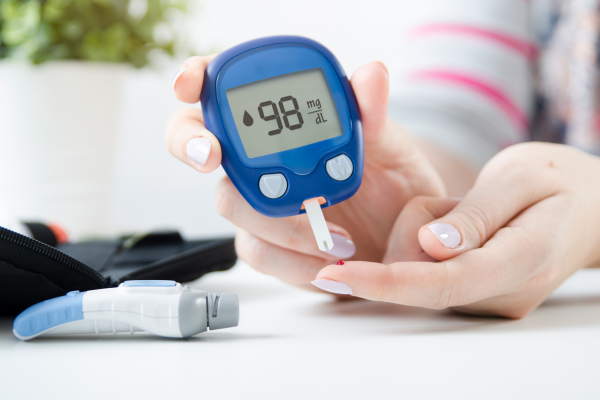
Uncontrolled blood sugar is one of the fastest drivers of eGFR decline. This is true even without a diabetes diagnosis. Every blood sugar spike damages the tiny blood vessels inside your kidneys over time.
Fortunately, the most powerful dietary fix is simple. Never eat a carbohydrate alone. Always pair every carb with protein and healthy fat at every meal and snack. For example, choose fruit with a handful of nuts instead of fruit alone. Or try oatmeal with almond butter and flaxseed instead of plain oatmeal. This one shift can meaningfully improve your labs over time.
Blood Pressure — More Than Just Sodium
Blood pressure and CKD feed each other in a dangerous cycle. High blood pressure damages kidney function. And declining kidney function makes blood pressure harder to control. Because of this, managing blood pressure through food goes beyond just limiting sodium. It also means eating potassium-rich foods if your labs allow, adding fiber from vegetables and whole grains, and choosing healthy fats like olive oil and walnuts regularly.
Foods That Are Actually Protective for Stage 3 CKD
Here is something the generic food list almost never mentions: the foods that actively protect your kidneys.
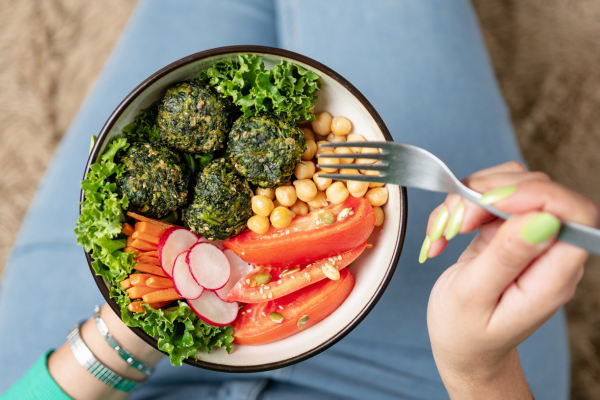
First, whole grains are a great example. Brown rice, oats, quinoa, and whole grain bread are rich in fiber. This fiber supports blood sugar stability, heart health, and kidney protection all at once.
In addition, beans and lentils are some of the most kidney-protective protein sources available. Simply prepare them with the overnight soak method to reduce potassium content before cooking.
Vegetables are equally important. Lower potassium options like cauliflower, cabbage, zucchini, green beans, and bell peppers provide fiber and anti-inflammatory compounds that actively support kidney health.
Finally, healthy fats deserve a regular place on your plate. Olive oil, walnuts, ground flaxseed, and chia seeds provide anti-inflammatory benefits that support both your heart and your kidneys.
The Real Answer to Foods to Avoid With Stage 3 Kidney Disease
The most honest answer to the stage 3 kidney disease diet question is this: it depends on your specific labs.
What you need to avoid – and what you can safely keep eating – depends entirely on your individual eGFR, potassium, BUN, creatinine, blood pressure, and blood sugar. It does not depend on a generic list written for the average CKD patient.
This is exactly why I built my entire practice around one principle. We eat for YOUR specific labs. Not a one-size-fits-all list.
When my clients stop following the generic list and start eating for what their specific numbers are actually telling us, the results speak for themselves: their eGFR stabilizes and improves, potassium normalizes, and blood pressure trends down. Their energy improves. And most importantly, they start enjoying food again.
Ready to Know Exactly What YOUR Labs Are Telling You?
If you are tired of following a generic list and watching your labs stay stuck – I would love to help you build a plan that is actually designed for your specific situation.
Start with my free CKD class at ckdnutrition.com/free-ckd-class where I walk you through my exact method I use with clients to help them feel less stressed and more confident with eating for their CKD.
Or if you are ready for a fully personalized plan built around your specific numbers, apply for the CKD Clarity Package here.
And if you want to make grocery shopping simple and stress-free, grab the Ultimate Grocery Guide for CKD — your complete guide to shopping for kidney-friendly foods with confidence.
Individual results may vary. Always consult your physician before making significant dietary or lifestyle changes.