
Chronic Kidney Disease Stage 1: How to Manage It with Plant-Based Eating
Being diagnosed with chronic kidney disease (CKD) stage 1 can feel overwhelming, even though it’s the earliest and most manageable stage. At this stage, your kidneys are still functioning well, but there are signs of kidney damage that require attention. The good news? Stage 1 CKD offers an incredible opportunity to take control of your health and slow the progression of the disease with the right lifestyle changes.
One of the most effective tools for managing CKD stage 1 is a plant-based diet. Research shows that plant-based eating can improve kidney health, reduce inflammation, and help you maintain normal kidney function for as long as possible. In this article, we’ll explore everything you need to know about CKD stage 1, from its causes and symptoms to dietary strategies and long-term management tips.If you’re looking for expert guidance on making kidney-friendly, plant-based eating a reality in your life, I’m here to help. Through my Eat for CKD with Confidence Membership, you’ll gain the tools and support you need to thrive with CKD.
What Is Chronic Kidney Disease Stage 1?
Chronic kidney disease is a condition characterized by a gradual decline in kidney function over time. CKD is categorized into five stages, based on how well your kidneys are filtering waste from your blood. Stage 1 CKD is the mildest form, defined by:
- GFR (Glomerular Filtration Rate): 90 or higher, indicating normal kidney function.
- Evidence of Kidney Damage: This may include protein in the urine (proteinuria), blood in the urine (hematuria), or abnormalities detected through imaging or blood tests.
Although kidney function is normal in stage 1, the presence of kidney damage increases the risk of progression to more advanced stages of CKD. That’s why early detection and intervention are critical.
Why Early Detection Matters
At stage 1, CKD is often asymptomatic, meaning you may not feel “sick.” However, taking action now can make a significant difference in your long-term kidney health. By adopting a kidney-friendly lifestyle that prioritizes plant-based eating, hydration, and regular monitoring, you can prevent further damage and slow the disease’s progression.
What Causes Chronic Kidney Disease Stage 1?
CKD stage 1 can result from a variety of conditions and lifestyle factors that damage the kidneys. Some of the most common causes include:
1. Diabetes

Uncontrolled high blood sugar levels (as seen in diabetes) can damage the blood vessels in your kidneys over time. Managing blood sugar is essential for preventing further kidney damage.
2. High Blood Pressure (Hypertension)

Chronic high blood pressure puts extra strain on the kidneys, damaging the tiny filtering units called nephrons. Controlling blood pressure through diet and lifestyle changes is crucial for kidney health.
3. Chronic Infections or Inflammation

Conditions like recurrent urinary tract infections (UTIs) or glomerulonephritis (inflammation of the kidney’s filtering units) can lead to kidney damage, even if your GFR remains normal.
4. Genetic or Family History

A family history of CKD increases your risk of developing the condition, even in its earliest stages. Regular checkups are vital if you’re at higher risk.
5. Overuse of Medications

Frequent use of NSAIDs (nonsteroidal anti-inflammatory drugs) like ibuprofen or naproxen can damage the kidneys over time. Limiting these medications is important, especially if you have CKD stage 1.
6. Lifestyle Factors

Smoking, high salt intake, and poor hydration can contribute to kidney damage. Adopting healthier habits, such as transitioning to a plant-based diet, can help mitigate these risks.
Symptoms of Chronic Kidney Disease Stage 1
One of the challenges of CKD stage 1 is that it often presents with no noticeable symptoms. Many people only discover they have CKD after routine blood or urine tests reveal abnormal results. However, subtle signs to watch for include:
- Protein in the Urine: This may appear as foamy or bubbly urine.
- High Blood Pressure: A common early indicator of kidney damage.
- Fatigue: Mild fatigue may occur due to reduced kidney efficiency.
Since these symptoms are often mild or absent, regular health checkups and lab work are critical for detecting CKD early.
How Is CKD Stage 1 Diagnosed?
Healthcare providers use a combination of tests to diagnose CKD stage 1, including:
- Glomerular Filtration Rate (GFR): A blood test that estimates how well your kidneys are filtering waste. A GFR of 90 or higher with signs of kidney damage indicates stage 1 CKD.
- Urine Tests: Tests to detect protein (proteinuria) or blood (hematuria) in the urine.
- Blood Tests: Measuring creatinine, BUN (blood urea nitrogen), and electrolytes.
- Imaging Tests: Ultrasounds or CT scans to identify structural abnormalities.
If you’ve been diagnosed with CKD stage 1, your healthcare provider will likely recommend lifestyle changes and regular monitoring to protect your kidney health.
How to Manage Chronic Kidney Disease Stage 1
The primary goal in CKD stage 1 is to prevent further kidney damage and slow the disease’s progression. This requires a combination of lifestyle changes, dietary adjustments, and regular medical care.
1. Focus on a Plant-Based Diet
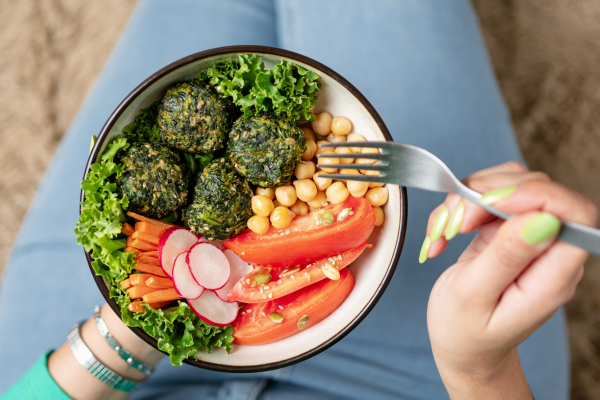
A plant-based diet is one of the most effective strategies for managing CKD stage 1. Unlike animal-based diets, plant-based eating provides essential nutrients while reducing the strain on your kidneys. Here’s why it works:
- Lower Protein Load: Plant proteins, such as beans, lentils, and tofu, produce fewer waste products than animal proteins, easing the workload on your kidneys.
- Reduced Sodium Intake: Whole plant foods are naturally low in sodium, helping to manage blood pressure.
- High in Antioxidants: Fruits, vegetables, and whole grains are rich in antioxidants that combat inflammation and protect kidney function.
- Alkaline-Forming Foods: Many plant-based foods help neutralize acid buildup in the body, which can slow kidney damage.
Key Plant-Based Foods for CKD Stage 1
- Vegetables: Cauliflower, bell peppers, zucchini, and cucumbers.
- Fruits: Apples, pears, berries, and grapes.
- Whole Grains: Oats, quinoa, and brown rice.
- Plant Proteins: Chickpeas, lentils, tofu, and tempeh.
2. Control Blood Pressure

Managing blood pressure is critical in CKD stage 1. Along with a plant-based diet, reducing sodium intake to less than 2,300 mg per day can help.
3. Maintain Healthy Blood Sugar Levels
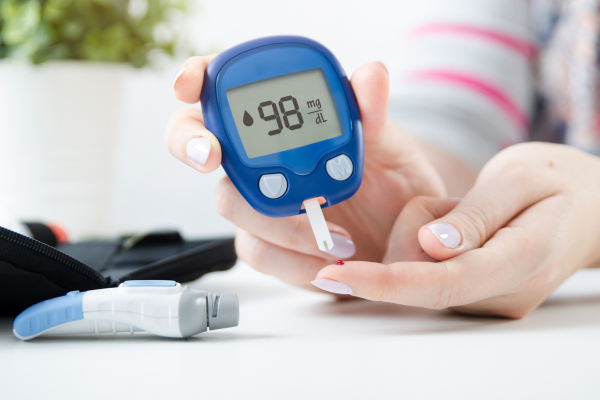
If you have diabetes, work closely with your healthcare provider to keep your blood sugar within target ranges. Whole, plant-based foods high in fiber can help stabilize blood sugar levels.
4. Stay Hydrated

Drink enough water to stay hydrated without overloading your kidneys. Your hydration needs depend on your activity level, climate, and overall health, so consult your healthcare provider for personalized recommendations.
5. Avoid Nephrotoxic Substances

Limit or avoid medications like NSAIDs and substances like tobacco and alcohol, as these can worsen kidney damage.
Why a Plant-Based Diet Is Ideal for CKD Stage 1
Switching to a plant-based diet is not only kidney-friendly but also sustainable and delicious. Research shows that individuals who follow plant-based diets are less likely to experience CKD progression. Benefits of plant-based eating include:
- Improved Heart Health: Lower cholesterol levels and better blood pressure management.
- Reduced Inflammation: Antioxidants in plant foods fight chronic inflammation, which is a key driver of CKD progression.
Taking the Next Step: Proactive CKD Management
Managing chronic kidney disease stage 1 is about making small, consistent changes that add up to big results. One of the best ways to ensure success is to have a trusted guide by your side. That’s where my Eat for CKD with Confidence Membership comes in.
Inside the membership, you’ll find:
- Tailored plant-based meal plans designed for CKD stage 1.
- Educational resources to help you understand your nutritional needs.
- Ongoing support from me, a CKD dietitian, to answer your questions and keep you on track.
You don’t have to figure this out on your own—join today and take the first step toward protecting your kidney health.

👉 Click here to join my membership now and start your journey to better kidney health!
Conclusion
Chronic kidney disease stage 1 is a critical time to take control of your health. By focusing on a plant-based diet, managing your blood pressure, and making kidney-friendly lifestyle changes, you can protect your kidneys and prevent progression to more advanced stages. Ready to take the next step? Join my Eat for CKD with Confidence Membership today, and let me help you feel confident and empowered in managing CKD.
Disclaimer: This blog post is for informational purposes only and may not be the best fit for you and your personal situation. It shall not be construed as medical advice. The information and education provided here is not intended or implied to supplement or replace professional medical treatment, advice, and/or diagnosis. Always check with your own physician or medical professional before trying or implementing any information read here.